









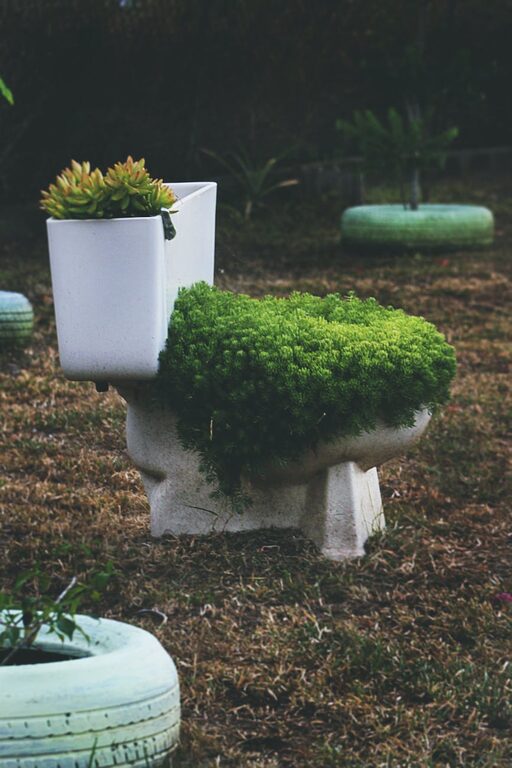
Creating a sustainable and eco-friendly home garden is a rewarding way to connect with nature, reduce your environmental impact, and enjoy fresh produce or beautiful plants. Whether you have a small balcony or a spacious backyard, there are many ways to garden responsibly while supporting wildlife and conserving resources. This guide offers practical tips to help you develop a garden that flourishes sustainably.
Benefits of a Sustainable Garden
Before diving into tips, it helps to understand why creating an eco-friendly garden matters:
– Reduces waste and pollution by avoiding chemical pesticides and excess packaging.
– Conserves water through efficient watering techniques.
– Supports local wildlife, such as bees, butterflies, and birds, by providing habitat and food.
– Improves soil health naturally, reducing the need for synthetic fertilisers.
– Provides seasonal, chemical-free produce if you grow edibles.
With these benefits in mind, let’s look at practical steps to get started.
Plan Your Garden Thoughtfully
Planning is key to sustainability. Consider these points:
Choose Native and Adapted Plants
Using native or well-adapted plants saves water and effort since they thrive naturally in your climate. They also provide food and shelter to native wildlife.
– Visit local nurseries for regional species.
– Avoid invasive plants that can disrupt local ecosystems.
Design for Biodiversity
Include a variety of plants—trees, shrubs, flowers, and groundcovers—to attract a healthy balance of beneficial insects and birds.
– Interplant herbs, flowering plants, and vegetables.
– Provide layers in your planting to mimic natural ecosystems.
Consider Your Space and Resources
– Assess how much sunlight different areas receive.
– Evaluate soil type and drainage.
– Plan for water access and space for composting bins.
Use Sustainable Garden Practices
Build Healthy Soil
Soil is the foundation of your garden. Encourage natural fertility by:
– Adding organic matter such as compost or well-rotted manure.
– Mulching with leaves, grass clippings, or bark to retain moisture and suppress weeds.
– Avoiding synthetic fertilisers and pesticides.
Compost Kitchen and Garden Waste
Composting reduces landfill waste and turns organic matter into rich soil conditioner.
– Start a compost bin or heap in your garden.
– Include vegetable peelings, coffee grounds, egg shells, grass cuttings, and dry leaves.
– Avoid adding cooked food, dairy, or meat scraps to prevent pests.
Save Water Efficiently
Water conservation is essential for eco-friendly gardening.
– Use rainwater harvesting systems, like water butts.
– Water plants early in the morning or late in the evening to reduce evaporation.
– Employ drip irrigation or soaker hoses for targeted watering.
– Group plants with similar water needs together.
Avoid Chemical Pesticides and Herbicides
Chemical products can harm beneficial insects, contaminate soil, and pollute water.
– Handpick pests or use barriers like nets.
– Encourage natural predators such as ladybirds or spiders.
– Use homemade remedies like garlic spray or companion planting to deter pests.
Encourage Wildlife and Pollinators
An eco-friendly garden should welcome beneficial wildlife.
– Plant nectar-rich flowers like lavender, foxgloves, and wildflowers.
– Provide water sources such as birdbaths or small ponds.
– Leave some leaf litter or logs to offer habitats for insects and amphibians.
– Install bird boxes or insect hotels to support local species.
Grow Your Own Food Sustainably
Raising vegetables, fruits, and herbs reduces carbon footprint and connects you to your food.
Start Small
– Grow easy crops such as salad leaves, radishes, or herbs in pots or window boxes.
– Use container gardening if you have limited space.
Practice Crop Rotation and Companion Planting
– Rotate crops annually to maintain soil nutrients and reduce pest buildup.
– Pair compatible plants (like tomatoes with basil) to boost growth and deter pests.
Save Seeds
– Allow some plants to mature and produce seeds.
– Collect and store seeds for future planting, reducing the need to buy new ones each season.
Maintain Your Garden Mindfully
Maintaining your garden with sustainability in mind saves energy and resources.
– Limit lawn size; replace areas with wildflowers or shrubs.
– Use manual gardening tools instead of powered ones when possible.
– Prune responsibly and recycle garden clippings.
Final Thoughts
Creating a sustainable and eco-friendly home garden takes some planning and ongoing care, but the rewards are immense. You not only cultivate a green space that enhances your wellbeing but also contribute positively to the environment and local biodiversity. Start small, keep learning, and enjoy the nurturing process of growing your green oasis.
By following these tips, you’ll have a garden that’s beautiful, productive, and kind to the planet. Happy gardening!